In the world of Software Engineering, system development cannot be done haphazardly. A structured method is required so that the results align with user needs and minimize errors.
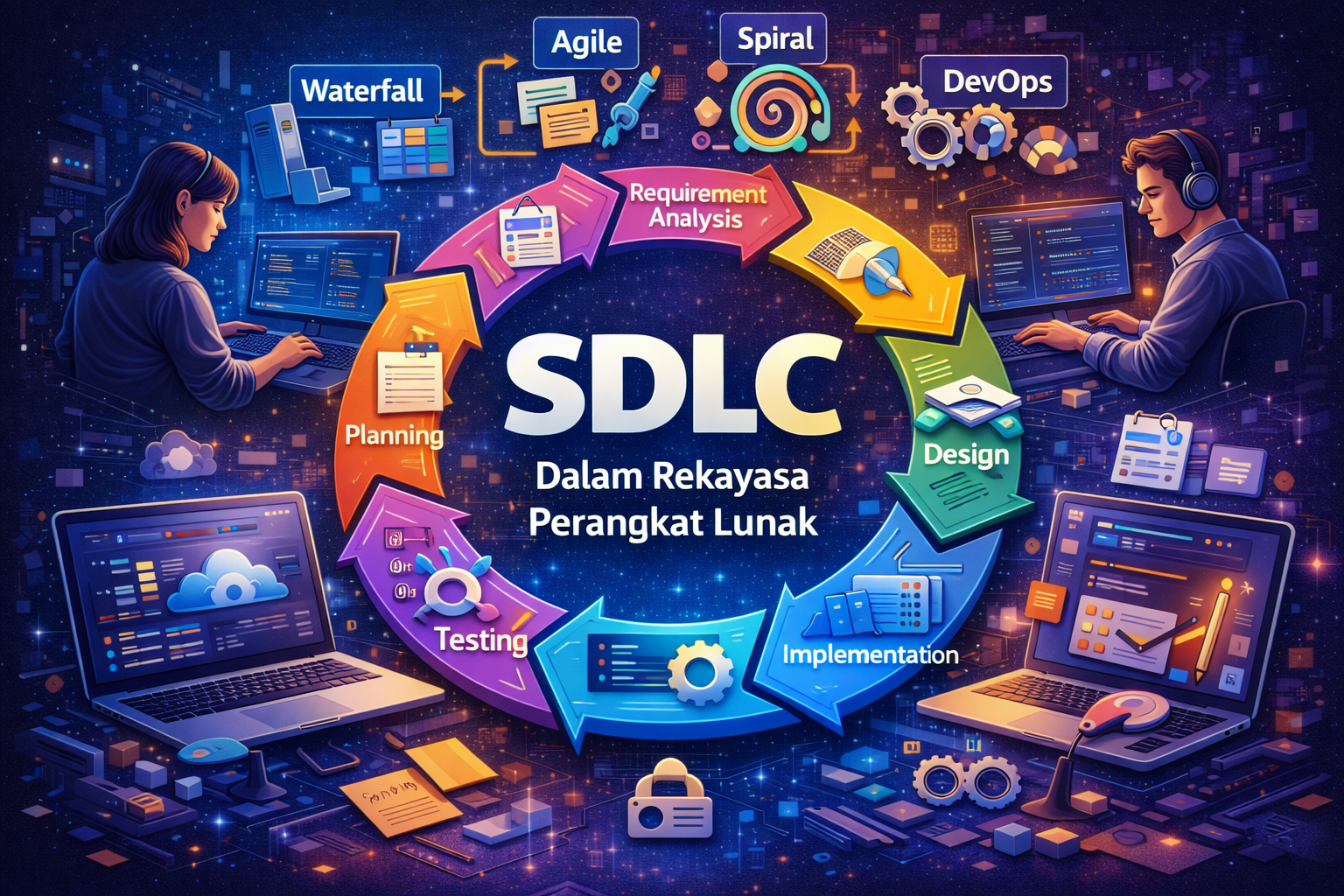
This is where the Software Development Life Cycle (SDLC) plays its role. SDLC provides step-by-step guidance in building software, from planning to maintenance.
What Is SDLC?
SDLC (Software Development Life Cycle) is a systematic process used to develop high-quality software with efficient costs and controlled timelines.
The main objectives of SDLC:
- Produce software that meets user needs
- Reduce the risk of project failure
- Improve product quality
- Optimize the development process
Stages in SDLC
1. Planning
The initial stage to determine goals, scope, and project resources.
Activities:
- Identifying business needs
- Feasibility study
- Timeline preparation
2. Requirement Analysis
Collecting and documenting user requirements.
Output:
- Software Requirement Specification (SRS)
3. Design
Designing the system architecture and user interface.
Design types:
- High-Level Design (HLD)
- Low-Level Design (LLD)
4. Implementation (Coding)
The development stage where code is written by developers.
Activities:
- Code writing
- Module integration
5. Testing
Ensuring the system runs according to requirements.
Testing types:
- Unit Testing
- Integration Testing
- System Testing
- User Acceptance Testing (UAT)
6. Deployment
The system begins to be used by the users.
Examples:
- Releasing the app to the server
- Software distribution
7. Maintenance
Repairs and further development after the system is in use.
Activities:
- Bug fixing
- Feature updates
- Performance optimization
SDLC Models
1. Waterfall Model
A linear model that runs sequentially from the beginning to the end.
Advantages:
- Easy to understand
- Complete documentation
Disadvantages:
- Inflexible to changes
2. Agile Model
An iterative and flexible model focused on collaboration and rapid change.
Characteristics:
- Sprint
- Continuous feedback
- Fast iterations
3. Spiral Model
Combines iteration with risk analysis.
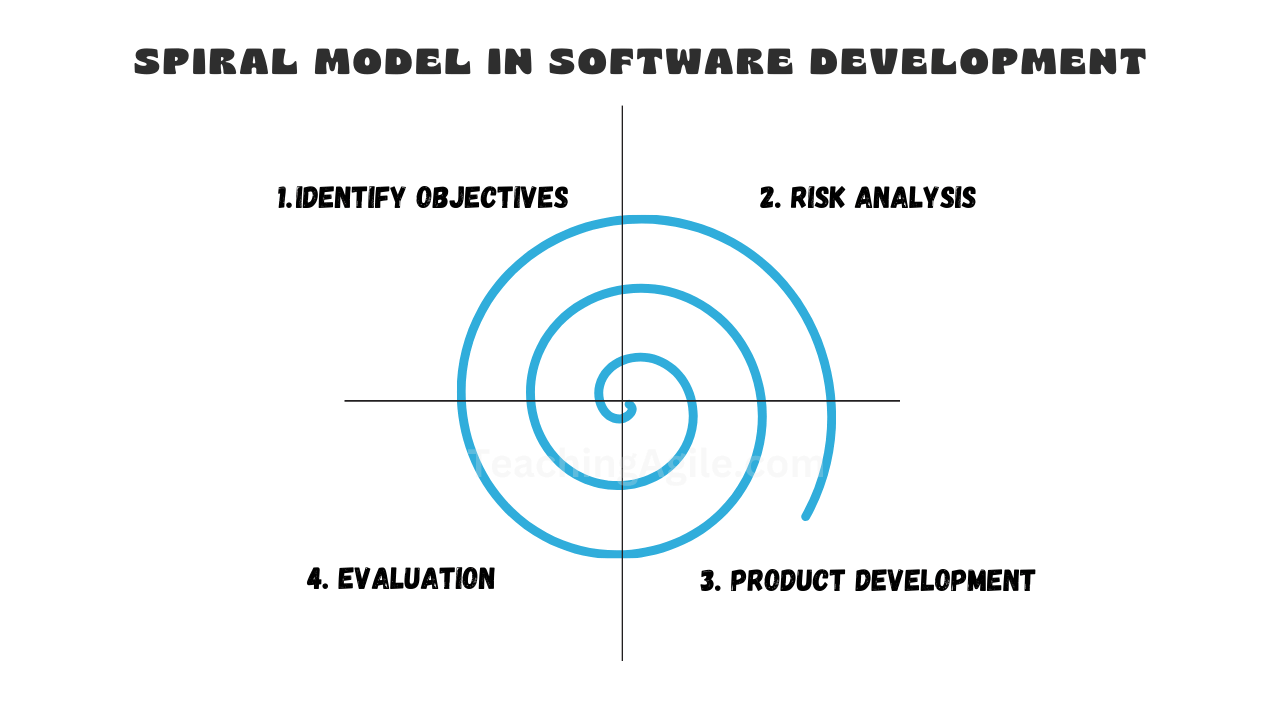
(Source: Teaching Agile)
Key Advantage:
- Suitable for large and complex projects
4. V-Model
Development and testing run in parallel.
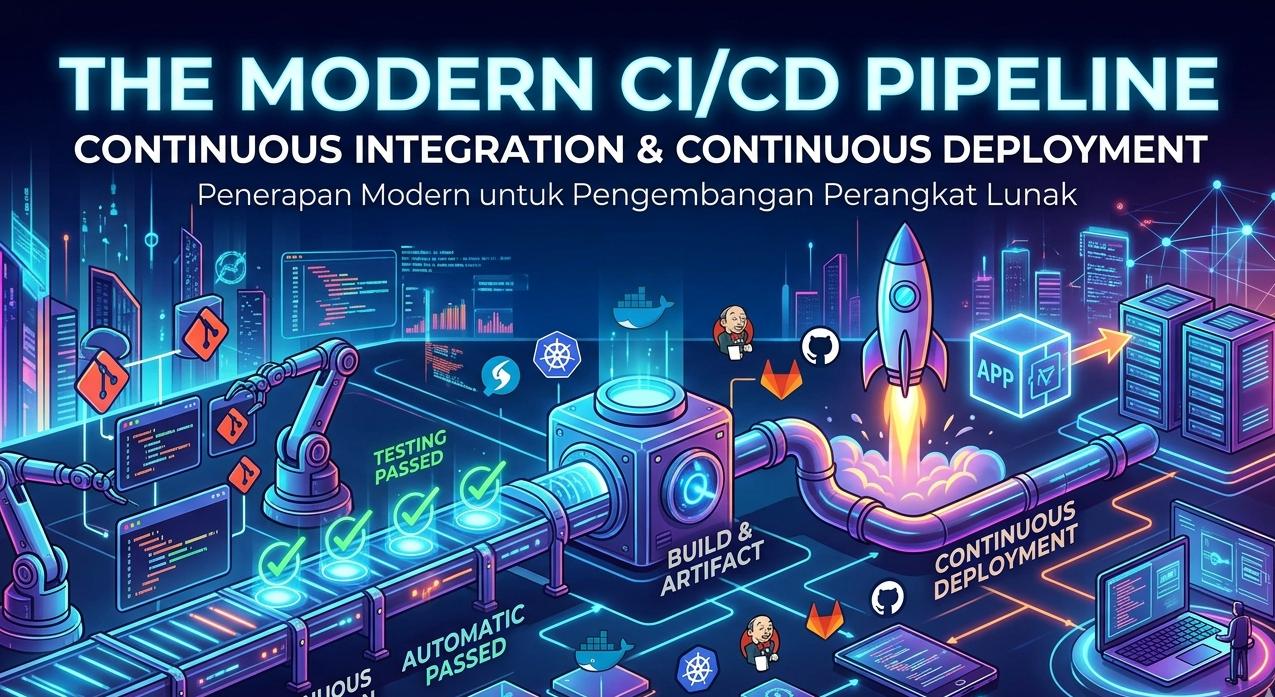
5. DevOps Model
Integrates development (Dev) and operations (Ops).

(Source: Dicoding)
Objectives:
- Continuous Integration
- Continuous Deployment (CI/CD)
Real-World Application of SDLC
SDLC is used in various software projects such as:
- Mobile application development
- Academic information systems
- E-commerce websites
- Enterprise applications
Advantages of SDLC
- Structured and systematic process
- Improves software quality
- Eases project management
- Reduces the risk of errors
Challenges in SDLC
- Requires detailed documentation
- Can be time-consuming (depending on the model)
- Requires good team coordination
- Changing requirements can be an obstacle
SDLC is the primary foundation of Software Engineering that ensures the development process runs smoothly, is well-structured, and produces high-quality products.
By understanding SDLC concepts and models, developers can choose the most suitable approach for project needs, enabling the creation of software that is effective, efficient, and meets user expectations.